

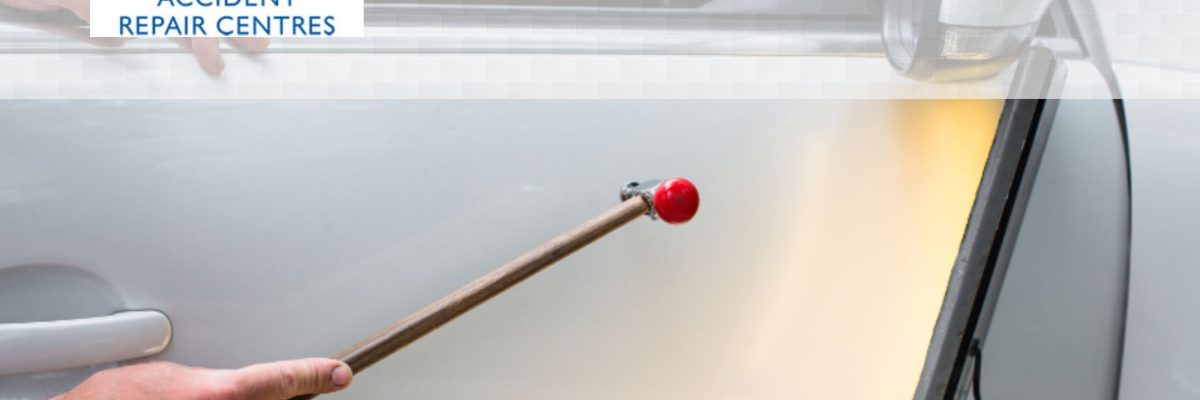
Dents and dings on our vehicles can be frustrating and unsightly, especially when they happen unexpectedly. While traditional dent repair techniques involve sanding, filling, and repainting, there is a more modern and cost-effective option known as Paintless Dent Repair (PDR). PDR is a technique that uses specialised tools to gently massage the damaged area back into its original shape without the need for paint or fillers. But when is PDR a viable option for repairing dents? In this article, we will explore the types of dents that can be repaired with PDR, the size of dents that can be repaired, the types of vehicles that can be repaired, and the factors that affect whether PDR is possible.
What is Paintless Dent Repair?
Paintless Dent Repair, or PDR, is a technique used to remove minor dents and dings from the body of a vehicle without the need for repainting or refinishing. It is a non-invasive and non-destructive method that involves massaging the dented area from behind using specialised tools, which restores the metal to its original shape.
PDR works by applying pressure and using specialised tools to manipulate the metal back into its original shape. The process involves accessing the backside of the dent through small openings or by removing interior panels. Once access is gained, the technician will use a variety of tools to push, pull, and massage the dented area back into its original form.
When Can You Use Paintless Dent Repair?
PDR is suitable for removing small to medium-sized dents, typically caused by hail, minor collisions, and everyday wear and tear. It is particularly effective in repairing dents that have no visible paint damage or creases in the metal. Common types of dents that can be repaired with PDR include door dings, hail damage, accident damage caused by stones or rocks, damage caused by car door dents and small bumps.
- Size of Dents That Can Be Repaired With PDR
The size of the dent that can be repaired with PDR is dependent on the location of the damage and the depth of the dent. As a general rule, PDR can repair dents up to the size of a tennis ball. However, larger dents may be repairable if they are shallow and do not have any creases or sharp edges.
- Types of Vehicles That Can Be Repaired With PDR
PDR can be used on most types of vehicles, including cars, trucks, SUVs, and motorcycles. It is also applicable for a range of materials, including steel and aluminium panels.
- Factors That Affect Whether PDR is Possible
The location and accessibility of the dent play a significant role in determining if PDR is possible. Dents that are in hard-to-reach areas, such as near the edge of a panel, may be more challenging to repair with PDR. Additionally, the severity and depth of the dent can affect whether PDR is possible. Dents with sharp edges, creases, or deep impacts may require traditional bodywork techniques. Finally, the condition and age of the vehicle can also impact whether PDR is a viable option. Older vehicles or those with prior repairs may have metal that is more brittle and may not respond as well to PDR techniques.
When is PDR Not Recommended?
While PDR is an effective technique for repairing minor dents, there are certain types of damage that cannot be repaired with PDR. These include dents that have sharp creases, are deep, or have damage to the paint or finish. Additionally, damage that has caused the metal to stretch or deform beyond its elastic limit cannot be repaired with PDR.
Advantages of Paintless Dent Repair
- Cost-Effectiveness of PDR
One of the primary advantages of PDR is its cost-effectiveness compared to traditional bodywork techniques. PDR requires less time and fewer materials, which can result in significant cost savings for the vehicle owner.
- Time Savings With PDR
In addition to cost savings, PDR also offers significant time savings compared to traditional bodywork techniques. PDR can often be completed in a matter of hours, whereas traditional dent repair techniques may take days or even weeks to complete.
- Eco-Friendliness of PDR
PDR is an environmentally friendly option for dent repair. Because it requires fewer materials and produces less waste, PDR is a more sustainable alternative to traditional bodywork techniques.
Disadvantages of Paintless Dent Repair
- Limitations of PDR
While PDR is an effective technique for repairing minor dents, it does have limitations. As mentioned previously, PDR may not be suitable for larger or more severe dents, or those with sharp creases or deep impacts. In some cases, traditional bodywork techniques may be necessary to repair the damage effectively.
- When Traditional Dent Repair May be Necessary
Traditional dent repair techniques may be necessary in cases where PDR is not feasible or effective. For example, if the dent has caused damage to the paint or finish, traditional bodywork techniques may be required to repair the damage properly. Additionally, if the metal has been stretched or deformed beyond its elastic limit, traditional dent repair techniques may be necessary to restore the panel’s shape and integrity.
How to Choose a Paintless Dent Repair Service
Choosing the right paintless dent repair (PDR) service is crucial to ensure that your vehicle is repaired correctly and efficiently. Here are some factors to consider when selecting a PDR service:
- Experience and Reputation:
Look for a PDR service with a good reputation and years of experience in the industry. You can read reviews and testimonials from previous customers to get an idea of their level of expertise and customer service.
- Certification and Training:
Choose a PDR service that employs certified technicians who have received the correct training in PDR techniques. This ensures that they have the necessary knowledge and skills to repair your vehicle correctly.
- Quality of Equipment:
The quality of equipment used by the PDR service can affect the quality of the repair. Look for a service that uses high-quality tools and equipment specifically designed for PDR.
- Warranty:
Check if the PDR service offers a warranty or guarantee for their work. A reputable service will stand behind their work and offer a warranty for the repair.
- Cost:
While cost is an important factor, it should not be the only consideration when choosing a PDR service. Look for a service that offers fair pricing and value for money.
What to Expect from a Reputable PDR Service
When you choose a reputable PDR service, you can expect the following:
- Inspection and Estimate:
The PDR service will inspect your vehicle to assess the damage and provide you with an estimate for the repair.
- Transparency:
The PDR service should be transparent about the repair process and keep you informed of any changes or issues that arise during the repair.
- Quality Repairs:
A reputable PDR service will use high-quality tools and equipment and employ certified technicians to ensure that the repair is of the highest quality.
- Time-Efficient Repairs:
PDR is generally a faster repair method than traditional bodywork techniques. A reputable PDR service should complete the repair within a reasonable timeframe.
- Warranty:
A reputable PDR service will stand behind their work and offer a warranty or guarantee for their repair.
By working with a reputable and reliable paintless dent repairer like Car Craft, you can be assured that your car will be restored to its pre-damaged condition. Paintless Dent Repair (PDR) is an excellent option for repairing minor dents and dings on your vehicle without the need for traditional bodywork techniques. Car Craft is a reputable auto body repair shop that offers high-quality PDR services to restore your vehicle’s appearance quickly and efficiently. Our team of certified technicians use state-of-the-art equipment and techniques to deliver top-quality repairs, and we stand behind our work with a warranty. If you’re in need of PDR services, don’t hesitate to contact Car Craft to schedule an appointment and experience our exceptional services firsthand.